








Compare plans from US internet providers

Compare home internet plans for your address.

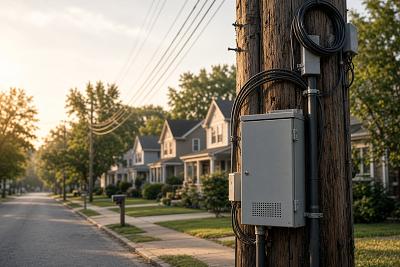
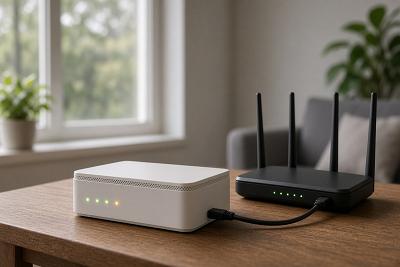
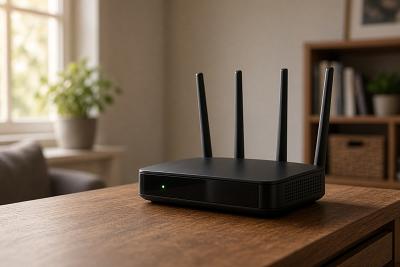
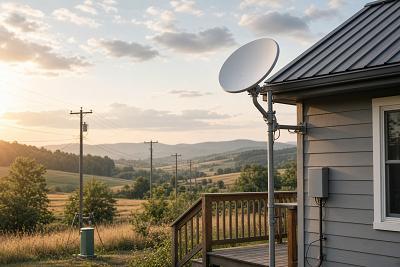
Internet options can vary street by street. Compare fiber, cable, 5G home internet, fixed wireless and satellite plans by speed, price and contract type before checking availability with the provider.

Compare plans

What you can compare

The details that affect your monthly bill and real-world speed.

Speed

From everyday browsing plans to gigabit-speed options.

Price

Monthly cost, setup fees, and current offers.

Contract type

Month-to-month or fixed-term options.

Plans from US internet providers

Browse a sample of providers, then use the comparison page to filter plans by speed, price and connection type.

Plus 4 more providers available in the full comparison experience.

View all plans
One place to compare home internet

Find a plan that fits how you use the internet

We list fiber, cable, 5G home internet, fixed wireless and satellite plans from US providers in one place. Filter by speed, price and contract type to find what suits your household.

Filter plans by what matters

  • Monthly price & upfront costs
  • Speed tiers from basic to ultrafast
  • No lock-in or fixed-term contracts
How it works

How to compare internet plans

Clear steps, no jargon. Select a step to see what to focus on.

Start comparing

Step 1: Work out what you need

Start with how you actually use the internet. A household that streams in 4K and games online will feel the difference with a faster speed tier.

Light use

Browsing, email, SD streaming.

Family use

HD/4K, video calls, multiple users.

Power use

Gaming, WFH, large uploads.

Step 2: Filter and compare

Use filters to narrow down to plans that match your priorities. Sorting helps you spot value — not just the cheapest price.

  • Set a budget

    Compare monthly cost and any setup fees.

  • Pick a speed tier

    From everyday browsing to gigabit-speed tiers.

  • Choose contract type

    Month-to-month vs fixed term.

Step 3: Check the details

Plans can look similar until you look closer. These details have the biggest impact on real-world experience.

Download and upload speeds

Advertised speeds can vary, so check both download and upload for your actual use case.

Modem & setup fees

Know what you’ll pay upfront.

Connection type

Fiber, cable, DSL or fixed wireless — the network at your address determines which speeds are available.

Inclusions

Modem hire, customer support, and any add-ons included in the plan.

Step 4: Switch or sign up

When you find a plan that fits, click through to the provider to check availability and sign up. Keep an eye out for promo periods and what the price reverts to.

Compare plans
Better decisions, faster

Why compare internet plans?

Internet prices and speeds can vary significantly between providers in the United States. Some addresses have fiber or cable competition, while others rely on DSL, fixed wireless, 5G home internet or satellite service.

Comparing plans helps you match speed, price, and contract type to your household — and you may find a faster tier for similar money, or a no lock-in plan that gives you more flexibility.

We show key details in one place so you can compare with confidence — including plan speed, connection type, equipment fees, promo terms and monthly pricing.

Save time

See plans side-by-side in one view.

Find value

Compare fees, promos, and inclusions.

Choose confidently

Compare speed, equipment fees and the price after promos.

Things to look out for

These details make a bigger difference than marketing claims.

Download and upload speeds

Download and upload speeds affect streaming, gaming and work.

Contract type

No lock‑in vs fixed term — check exit fees before switching.

Setup and modem costs

Check modem inclusion, activation fees, and promo periods.

Speed tier vs connection

Fiber, cable, DSL, wireless and satellite each behave differently.

Guides and articles

Latest guides and articles

Guides and articles to help you choose the right home internet plan.

View all guides
Beetle car speeding down a city street symbolising slow internet speed.
Articles

Why Real-World Speeds Are Slower Than Advertised

It is normal for the speeds you actually experience to be lower than the figure your internet plan advertises, because advertised speeds are a maximum under ideal conditions rather than a guarantee. This guide explains the common reasons for the gap, from Wi-Fi and equipment to congestion and how speed is shared, and what you can do to get closer to your plan's potential.

By Priya Ramaswamy — Consumer Internet Editor

6 min
Digital code projection creating a tech-inspired abstract vibe illustrating internet speeds.
Articles

Symmetrical vs. Asymmetrical Speeds: What the Numbers Mean

Every internet plan lists two speeds, one for downloads and one for uploads, and whether they match tells you a lot about how the connection will behave. This guide explains what symmetrical and asymmetrical speeds mean, why different connection types are built one way or the other, and how to decide which balance suits your household based on how you use the internet.

By Priya Ramaswamy — Consumer Internet Editor

7 min
Wireless router with four antennas illustrating wifi internet speeds
Guides

Wi-Fi vs. Your Internet Plan: Often It Is the Router

When home internet feels slow, the cause is frequently the Wi-Fi inside your home rather than the internet plan or provider. This guide explains the difference between your internet connection and your Wi-Fi network, why the router and its placement matter so much, and how to tell whether an upgrade to your equipment would help more than a faster plan.

By Priya Ramaswamy — Consumer Internet Editor

6 min
Busy expressway illustrating internet speed
Guides

Download vs. Upload Speed vs. Latency: What Matters When

Download speed, upload speed, and latency are three separate measures of an internet connection, and each one matters for different tasks. This guide explains what each measure means in plain language, which everyday activities depend on which, and how to read the numbers on a plan so you can match a connection to the way your household actually uses the internet.

By Caleb Mercer — Senior Internet Plans Analyst

6 min
Interconnected light trails representing digital communication networks.
Guides

Why Fiber Offers Symmetrical Upload Speeds and Why It Matters

Fiber internet can offer symmetrical speeds, meaning your upload speed matches your download speed, because optical lines carry data in both directions without the design limits of older technologies. This guide explains why fiber is built this way, how it differs from cable and other connections, and why fast, steady uploads matter so much for remote work, video calls, file sharing, and cloud backups.

By Priya Ramaswamy — Consumer Internet Editor

8 min
Browse by location

Internet plans across the United States

Find internet plans by state, county, city or neighborhood. Select a location to see what providers and plans cover your area.

Why browse by location?

Internet availability varies across the United States.

  • Connection types

    Fiber, cable, DSL, wireless or satellite — your address determines what's available.

  • Regional providers

    Some providers serve specific states or regions and may not be available nationally.

  • Fixed wireless & satellite

    Rural addresses may rely on fixed wireless, DSL or satellite — worth checking before you compare.

Loading…

No direct link