
Internet articles & resources

Articles

Read practical Articles guides for US households, with clear explanations of plan features, connection types, provider checks and switching considerations.

View all posts
Articles

How to Lower Your Internet Bill Without Losing Speed

You can often reduce your internet bill without giving up the speed your household relies on, by trimming avoidable fees, matching your plan to your real usage, and reviewing charges that have crept up over time. This guide walks through practical steps to lower the cost while keeping the performance you need, so you pay for the service you use rather than extras you do not.

20 Jul 2026 6 min read
Articles

How to Research Internet Options Before You Sign a Lease

Checking internet options before you sign a lease or buy a home can save you from being stuck with limited or no service. This guide walks through how to research what connection types reach a specific address, what to ask landlords and providers, and how to weigh the results so internet availability becomes part of your decision rather than an afterthought.

By Priya Ramaswamy — Consumer Internet Editor

6 min
Articles

How to Run an Accurate Internet Speed Test

An internet speed test measures your connection's download speed, upload speed, and latency, but the way you run it affects how accurate the result is. This guide explains how to test properly, why a wired test gives the clearest reading, and how to interpret download, upload, and latency figures so you understand what your connection is actually delivering.

By Caleb Mercer — Senior Internet Plans Analyst

6 min
Articles

Why Two Neighbors Can Have Different Internet Options

It is common for two homes on the same street to have completely different internet choices, because networks are built unevenly and many factors decide what reaches a given address. This guide explains the reasons behind those differences, from how fiber and cable are deployed to building type and wireless coverage, and what it means when comparing options for your own home.

By Priya Ramaswamy — Consumer Internet Editor

6 min
Articles

Low-Cost Internet Options After the ACP Ended

The Affordable Connectivity Program, a federal benefit that helped lower internet costs for eligible households, has ended, leaving many looking for other ways to keep service affordable. This guide explains what the program was, that it has wound down, and the kinds of low-cost options that may still help, from provider low-income plans to other assistance programs and practical ways to reduce a bill.

By Priya Ramaswamy — Consumer Internet Editor

6 min
Articles

Internet Speed for 4K Streaming, Video Calls and Gaming

4K streaming, video calls, and online gaming each place different demands on your internet connection, and none of them needs an extreme speed on its own. This guide breaks down what each activity actually requires, why latency matters more than raw speed for gaming, why uploads matter for calls, and how to size a plan when these activities happen at the same time in a busy household.

By Caleb Mercer — Senior Internet Plans Analyst

7 min
Articles

Internet Options for Rural and Hard-to-Reach Addresses

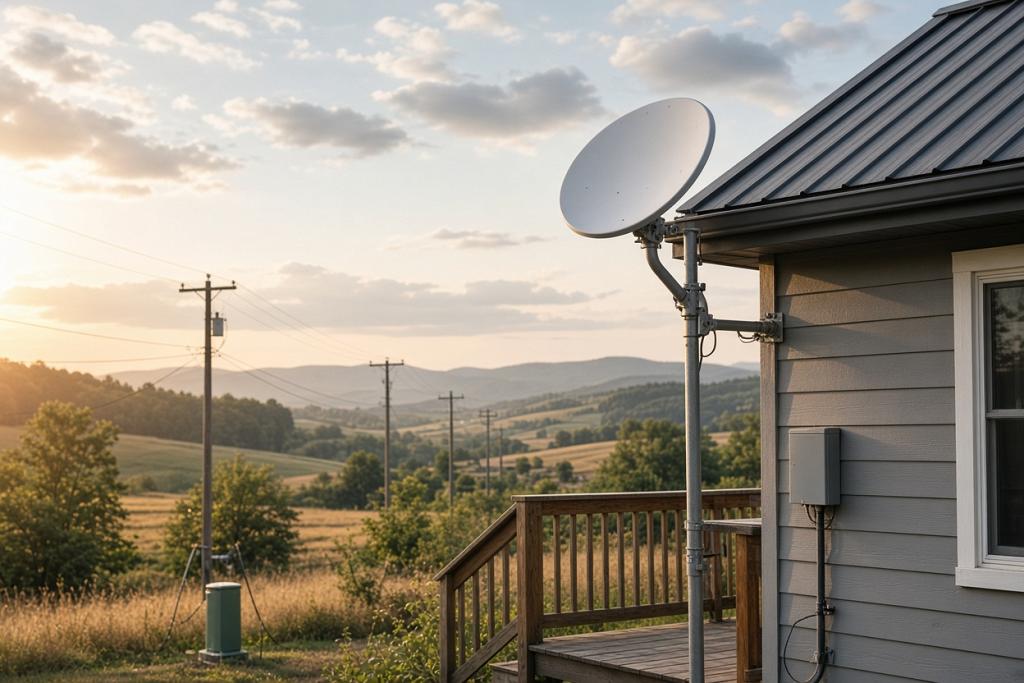
Rural and hard-to-reach addresses often have fewer wired internet choices, but several options can still deliver home internet, including fixed wireless, satellite, and where available, fiber or cable. This guide explains the connection types that tend to serve rural areas, their trade-offs, and how to find out which ones actually reach your specific address.

By Priya Ramaswamy — Consumer Internet Editor

6 min
Articles

How Much Internet Speed Does Your Household Really Need?

The internet speed your household needs depends on how many people and devices are online at once and what they do, not on the largest number a plan advertises. This room-by-room, device-by-device guide walks through how to estimate your real demand, where speed gets used up, and how to choose a tier that fits your home today while leaving a little headroom for the future.

By Priya Ramaswamy — Consumer Internet Editor

7 min
Father and children using gadgets on a sofa, balancing work and leisure.
Articles

How Many Devices Can One Internet Plan Really Handle?

There is no fixed limit to how many devices an internet plan can handle, because what matters is how many are actively demanding bandwidth at once, not how many are connected. This guide explains how devices share a connection, why idle gadgets barely count, how your router and Wi-Fi factor in, and how to judge whether your plan can keep up with a growing, device-filled home.

By Caleb Mercer — Senior Internet Plans Analyst

7 min
Beetle car speeding down a city street symbolising slow internet speed.
Articles

Why Real-World Speeds Are Slower Than Advertised

It is normal for the speeds you actually experience to be lower than the figure your internet plan advertises, because advertised speeds are a maximum under ideal conditions rather than a guarantee. This guide explains the common reasons for the gap, from Wi-Fi and equipment to congestion and how speed is shared, and what you can do to get closer to your plan's potential.

By Priya Ramaswamy — Consumer Internet Editor

6 min
Digital code projection creating a tech-inspired abstract vibe illustrating internet speeds.
Articles

Symmetrical vs. Asymmetrical Speeds: What the Numbers Mean

Every internet plan lists two speeds, one for downloads and one for uploads, and whether they match tells you a lot about how the connection will behave. This guide explains what symmetrical and asymmetrical speeds mean, why different connection types are built one way or the other, and how to decide which balance suits your household based on how you use the internet.

By Priya Ramaswamy — Consumer Internet Editor

7 min
A satellite orbiting Earth, showcasing the Mediterranean Sea and surrounding continents.
Articles

Satellite and LEO internet explained: price, latency, data limits

Satellite internet has changed significantly with the arrival of low-earth-orbit constellations. This guide explains how traditional geostationary satellite and newer LEO services actually differ, what drives their latency and pricing, how data limits typically work, and what to weigh up before choosing satellite as your home internet connection in the United States.

By Priya Ramaswamy — Consumer Internet Editor

11 min
Close-up of network cable connectors with colorful lighting.
Articles

DSL is being phased out: what copper-line customers should know

DSL service over copper telephone lines is being retired across the United States as carriers shift their investment into fiber and wireless networks. This guide explains why the transition is happening, what notice copper customers should expect, the practical alternatives available, and how to evaluate replacement options like fiber, cable, fixed wireless, 5G home internet and satellite.

By Priya Ramaswamy — Consumer Internet Editor

11 min

Browse topics

Jump into related guides.

Internet connection types Fiber internet Cable internet 5G home internet DSL internet Home internet guide Satellite internet LEO internet Rural broadband Internet latency Data caps Low earth orbit DSL phase out Copper retirement Home internet alternatives Fixed wireless FCC broadband Rural internet options 5G fixed wireless Fixed wireless internet Home internet Broadband connection types Internet plans Fiber vs fixed wireless Symmetrical speeds Upload speed Remote work internet Fiber vs cable Broadband for working from home Asymmetrical speeds Upload vs download Internet plan numbers Broadband basics Devices per internet plan Home network Wi-Fi capacity Bandwidth sharing Smart home internet Router and devices Internet speed Download vs upload speed Latency explained Ping and gaming Household internet needs Mbps explained Choosing an internet plan Bandwidth 4K streaming speed Internet for gaming Video call internet Latency Internet speed guide Real vs advertised speed Slow internet Wi-Fi speed Internet speed test Router performance Broadband speeds Internet availability Check internet by address Broadband serviceability Connection types Internet coverage Finding internet providers Wi-Fi vs internet plan Slow Wi-Fi Router problems Router placement Broadband troubleshooting BEAD program Underserved areas Broadband expansion NTIA Internet access Broadband infrastructure Rural internet Hard-to-reach internet Home internet options Cellular home internet Broadband access Buy vs rent modem Modem and router Equipment rental fee Home networking Wi-Fi router Internet equipment Internet contracts Early termination fee Auto-renewal Month-to-month internet Internet plan terms Low-cost internet Affordable Connectivity Program ACP ended Internet assistance Affordable broadband Low-income internet plans Home internet cost Promotional pricing Internet price increase True cost of internet Introductory rate Compare internet plans Broadband pricing Internet options by address Why neighbors differ Fiber availability Broadband coverage Internet infrastructure FCC broadband label Broadband nutrition label Internet fees Internet pricing Hidden fees Internet bill Installation fees Upgrade internet speed Internet speed tier When to upgrade internet Internet bottleneck Internet plan decision Internet overage charges Home internet data Unlimited internet Broadband data usage Data allowance Lifeline program Low-income internet Provider low-income plans Internet eligibility Mesh Wi-Fi Wi-Fi extender Wi-Fi coverage Improve Wi-Fi Moving internet options Internet before lease Check internet availability Renting and internet Broadband research How to test internet speed Download and upload speed Wi-Fi testing Lower internet bill Reduce internet cost Right-size internet plan Home internet savings Broadband budgeting

Advertisement

Find the best internet plan for your home

Compare home internet plans from US providers in minutes.

Compare internet plans

Loading…

No direct link