Satellite, fiber and cable are three of the most common ways to get internet at home, and the best one for you depends heavily on where you live and how you use the internet. In short: fiber generally offers the fastest, most consistent performance and the best upload speeds; cable is widely available and fast for downloads but usually has lower upload; and satellite, including modern low-earth-orbit services, shines where wired options are limited or unavailable. There is no single winner, only the right fit for your address and needs.
This guide compares the three connection types on the factors that matter, speed, upload, latency, reliability and availability, and explains which household each one suits. The aim is to help you understand the trade-offs so you can judge what makes sense at your location before comparing specific options elsewhere.
Speeds, availability and technology change over time, so treat the comparisons here as the general shape of each connection type and confirm what is actually available at your address.
How do the three connection types work?
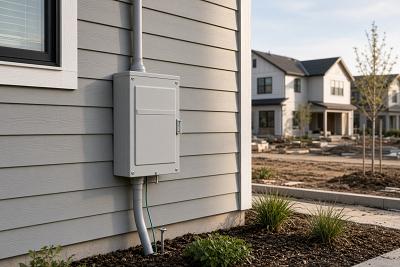
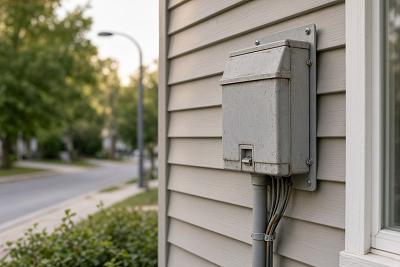
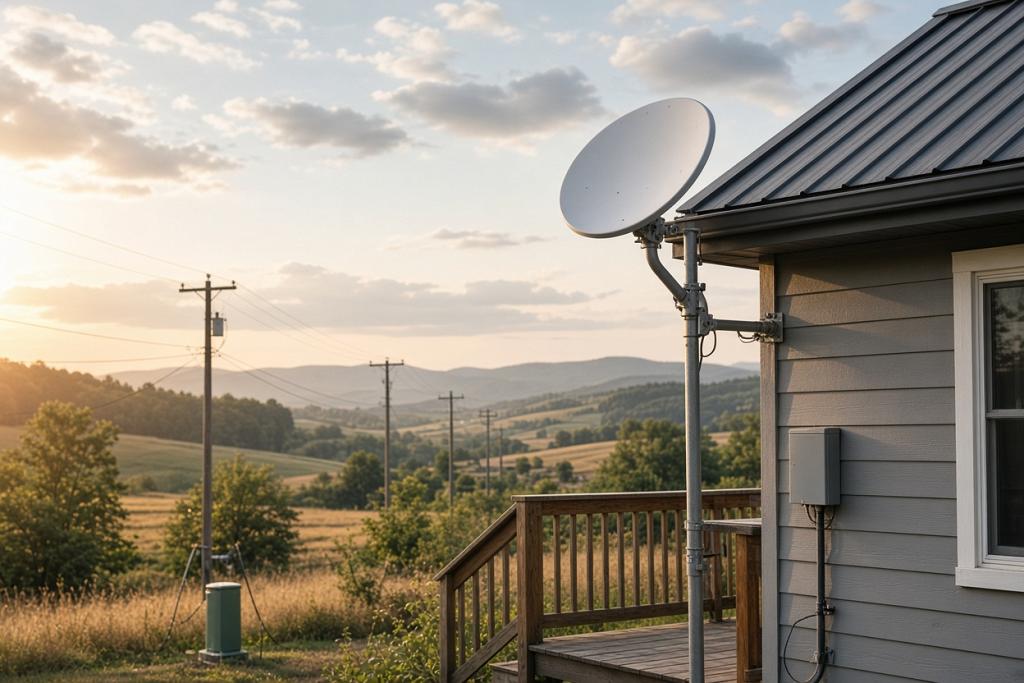
Fiber internet carries data as light through dedicated glass cables running to or near your home, which makes it fast and consistent in both directions. Cable internet uses the same coaxial network that delivers cable television, which is widely deployed and fast for downloads but traditionally offers lower upload speeds. Satellite internet beams your connection to and from orbiting satellites; newer low-earth-orbit systems orbit much closer to the ground than older satellites, which greatly reduces the delay that used to make satellite feel sluggish.
Understanding the underlying technology explains the trade-offs. Wired connections like fiber and cable are generally more consistent because they are not affected by weather or sky obstructions, while satellite trades some of that consistency for the ability to reach places wires do not.
How do they compare on speed and latency?
Fiber typically leads on both speed and upload, often offering symmetrical plans where upload matches download, which is excellent for video calls, cloud backups and remote work. Cable can deliver fast download speeds and is plenty for most streaming and browsing, but its upload is usually much lower than its download, which can matter if you send a lot of data. Satellite speeds have improved substantially with low-earth-orbit systems and are well into broadband territory, though they can vary with conditions and how many users share the network.
Latency, the responsiveness of the connection, favors wired options. Fiber and cable generally have low, steady latency that suits gaming and video calls, while satellite latency, though far better than older systems, can be higher and more variable. For latency-sensitive activities, a wired connection has an edge where it is available.
| Factor | Fiber | Cable | Satellite (LEO) |
|---|---|---|---|
| Download speed | Very high | High | Broadband-level, varies |
| Upload speed | High, often symmetrical | Lower than download | Moderate |
| Latency | Low and steady | Low | Higher, more variable |
| Availability | Growing, not everywhere | Widespread | Almost anywhere with sky view |
The table summarizes the trade-offs. Notice that satellite's standout strength is availability, while fiber's is all-round performance, and cable sits as a widely available middle ground.
Where does each one fit?
Fiber is the strongest choice for homes that can get it, especially for remote workers, heavy uploaders, gamers and large households, thanks to its speed, upload and consistency. Cable is a solid, widely available option for typical households that mainly stream and browse, where its lower upload is not a problem. Satellite is the best fit for rural and hard-to-reach homes where fiber and cable are not available, and for anyone who needs connectivity in places wired networks do not reach.
The deciding factor is often simply what is available at your address, since not every home can get fiber, and some cannot get cable. Where you have a choice, match the connection to your priorities: performance and upload point to fiber, broad availability and value to cable, and reach to satellite.
How should you choose?
Start with availability: find out which of these connection types can actually serve your address, since that narrows the field quickly. Then weigh your needs. If you work from home, upload large files or game competitively, prioritize upload and latency, which favors fiber. If you mainly stream and browse, cable or a strong fixed option is plenty. If wired service is unavailable or unreliable where you live, satellite is likely your best path to a solid connection.
Confirm real-world performance expectations with the provider or network operator for your area, since the same technology can perform differently depending on local infrastructure and how busy the network is. Matching the connection type to both your location and your usage is the surest route to satisfaction.
Frequently asked questions
Which is best: satellite, fiber or cable?
There is no universal best. Fiber leads on speed, upload and consistency; cable is widely available and strong for downloads; satellite wins on reach where wired options are limited. The right one depends on your address and needs.
Is modern satellite internet good enough for everyday use?
Low-earth-orbit satellite has improved greatly and delivers broadband-level speeds suitable for streaming, browsing and video calls. Latency is higher and more variable than wired options, but it is far better than older satellite systems.
Why does fiber matter for working from home?
Fiber often offers symmetrical speeds with high upload, which benefits video calls, cloud backups and sending large files. Its low, steady latency also keeps calls and remote sessions smooth.
Can I always choose between all three?
No. Availability varies by address, so some homes can get all three and others only one or two. Checking what serves your specific location is the first step in choosing.
Bringing it together
Fiber, cable and satellite each suit different homes: fiber for all-round performance and upload, cable for widely available value, and satellite for reach where wires do not go. Latency and upload favor wired connections, while satellite's strength is serving places fiber and cable cannot. Start with what is available at your address, match the connection type to how you use the internet, and confirm local performance before deciding.