

Internet articles & resources

Home Internet

Browse US internet articles about Home Internet, including plan comparison tips, connection type explainers and practical checks before switching.

Topic: Home Internet Clear topic

Articles

How to Research Internet Options Before You Sign a Lease

Checking internet options before you sign a lease or buy a home can save you from being stuck with limited or no service. This guide walks through how to research what connection types reach a specific address, what to ask landlords and providers, and how to weigh the results so internet availability becomes part of your decision rather than an afterthought.

15 Jul 2026 6 min read
Mesh Wi-Fi, Extenders and Router Placement Explained
Guides

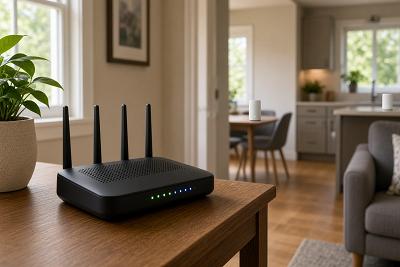
Mesh Wi-Fi, Extenders and Router Placement Explained

If your internet is fast in some rooms but weak in others, the fix is usually better Wi-Fi coverage rather than a faster plan. This guide explains how router placement, Wi-Fi extenders, and mesh systems each improve coverage, their trade-offs, and how to choose the right approach for your home so you get a stronger signal without paying for more speed.

By Caleb Mercer — Senior Internet Plans Analyst

6 min
When It Is Worth Upgrading Your Internet Speed Tier
Guides

When It Is Worth Upgrading Your Internet Speed Tier

Upgrading to a faster internet speed tier helps in some situations and makes little difference in others, so it pays to know which is which before you spend more. This guide explains when a higher tier genuinely improves your experience, when the bottleneck is really your equipment or Wi-Fi, and how to decide whether an upgrade is worth it for your household.

By Priya Ramaswamy — Consumer Internet Editor

6 min
How to Read an FCC Broadband Nutrition Label and Compare Plans
Guides

How to Read an FCC Broadband Nutrition Label and Compare Plans

The FCC broadband label is a standardized summary, modeled on a food nutrition label, that lays out a plan's monthly price, fees, speeds, and data policy in a consistent format. This guide explains each line on the label in plain language and shows how to compare two plans side by side so the true cost and performance are easier to judge before you decide.

By Priya Ramaswamy — Consumer Internet Editor

6 min
Why Two Neighbors Can Have Different Internet Options
Articles

Why Two Neighbors Can Have Different Internet Options

It is common for two homes on the same street to have completely different internet choices, because networks are built unevenly and many factors decide what reaches a given address. This guide explains the reasons behind those differences, from how fiber and cable are deployed to building type and wireless coverage, and what it means when comparing options for your own home.

By Priya Ramaswamy — Consumer Internet Editor

6 min
Contract Terms, Early Termination Fees and Auto-Renewal
Guides

Contract Terms, Early Termination Fees and Auto-Renewal

Before signing up for an internet plan, it pays to understand the contract length, any early termination fee, and whether the plan renews automatically. This guide explains how these terms work, what they mean for your flexibility and cost, and the specific things to check before you commit so there are no surprises if your needs change.

By Priya Ramaswamy — Consumer Internet Editor

6 min
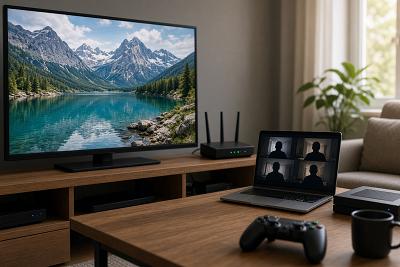
Internet Speed for 4K Streaming, Video Calls and Gaming
Articles

Internet Speed for 4K Streaming, Video Calls and Gaming

4K streaming, video calls, and online gaming each place different demands on your internet connection, and none of them needs an extreme speed on its own. This guide breaks down what each activity actually requires, why latency matters more than raw speed for gaming, why uploads matter for calls, and how to size a plan when these activities happen at the same time in a busy household.

By Caleb Mercer — Senior Internet Plans Analyst

7 min
Articles

How Much Internet Speed Does Your Household Really Need?

The internet speed your household needs depends on how many people and devices are online at once and what they do, not on the largest number a plan advertises. This room-by-room, device-by-device guide walks through how to estimate your real demand, where speed gets used up, and how to choose a tier that fits your home today while leaving a little headroom for the future.

By Priya Ramaswamy — Consumer Internet Editor

7 min
Guides

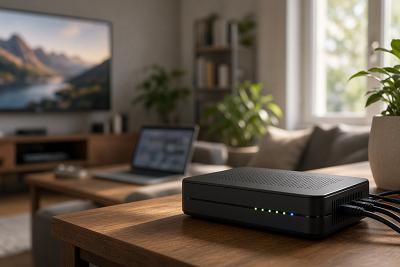
Should You Buy Your Own Modem and Router or Rent?

Renting a modem and router from your provider is convenient, but buying your own can replace a recurring monthly fee with a one-time purchase and give you more control. This guide explains the trade-offs, when buying makes sense, when renting is the safer choice, and how to make sure any equipment you buy is compatible with your internet connection.

By Priya Ramaswamy — Consumer Internet Editor

6 min
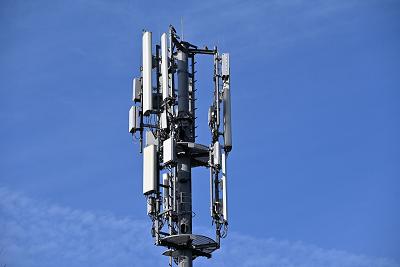
A modern cell tower with antennas against a clear blue sky, symbolizing connectivity.
Guides

5G Fixed Wireless Home Internet: What It Is and When It Fits

5G fixed wireless home internet delivers broadband to your home over a cellular network instead of a wired line, using an indoor or outdoor receiver that connects to a nearby tower. This guide explains how it works, how it differs from fiber and cable, what affects its performance, and the kinds of households and locations where it tends to make the most sense.

By Caleb Mercer — Senior Internet Plans Analyst

9 min
A couple relaxing on a sofa using laptop and smartphone with wireless home internet.
Guides

How to Check Whether Internet Is Available at Your Address

Internet availability is decided address by address, so the only reliable way to know your options is to check for your specific home rather than your city or ZIP code. This guide explains why availability varies so precisely, the dependable ways to confirm what serves your address, and how to interpret the results so you understand which connection types you can actually get.

By Caleb Mercer — Senior Internet Plans Analyst

5 min
Digital code projection creating a tech-inspired abstract vibe illustrating internet speeds.
Articles

Symmetrical vs. Asymmetrical Speeds: What the Numbers Mean

Every internet plan lists two speeds, one for downloads and one for uploads, and whether they match tells you a lot about how the connection will behave. This guide explains what symmetrical and asymmetrical speeds mean, why different connection types are built one way or the other, and how to decide which balance suits your household based on how you use the internet.

By Priya Ramaswamy — Consumer Internet Editor

7 min
Busy expressway illustrating internet speed
Guides

Download vs. Upload Speed vs. Latency: What Matters When

Download speed, upload speed, and latency are three separate measures of an internet connection, and each one matters for different tasks. This guide explains what each measure means in plain language, which everyday activities depend on which, and how to read the numbers on a plan so you can match a connection to the way your household actually uses the internet.

By Caleb Mercer — Senior Internet Plans Analyst

6 min
Interconnected light trails representing digital communication networks.
Guides

Why Fiber Offers Symmetrical Upload Speeds and Why It Matters

Fiber internet can offer symmetrical speeds, meaning your upload speed matches your download speed, because optical lines carry data in both directions without the design limits of older technologies. This guide explains why fiber is built this way, how it differs from cable and other connections, and why fast, steady uploads matter so much for remote work, video calls, file sharing, and cloud backups.

By Priya Ramaswamy — Consumer Internet Editor

8 min

Advertisement

Find the best internet plan for your home

Compare home internet plans from US providers in minutes.

Compare internet plans

Loading…

No direct link