
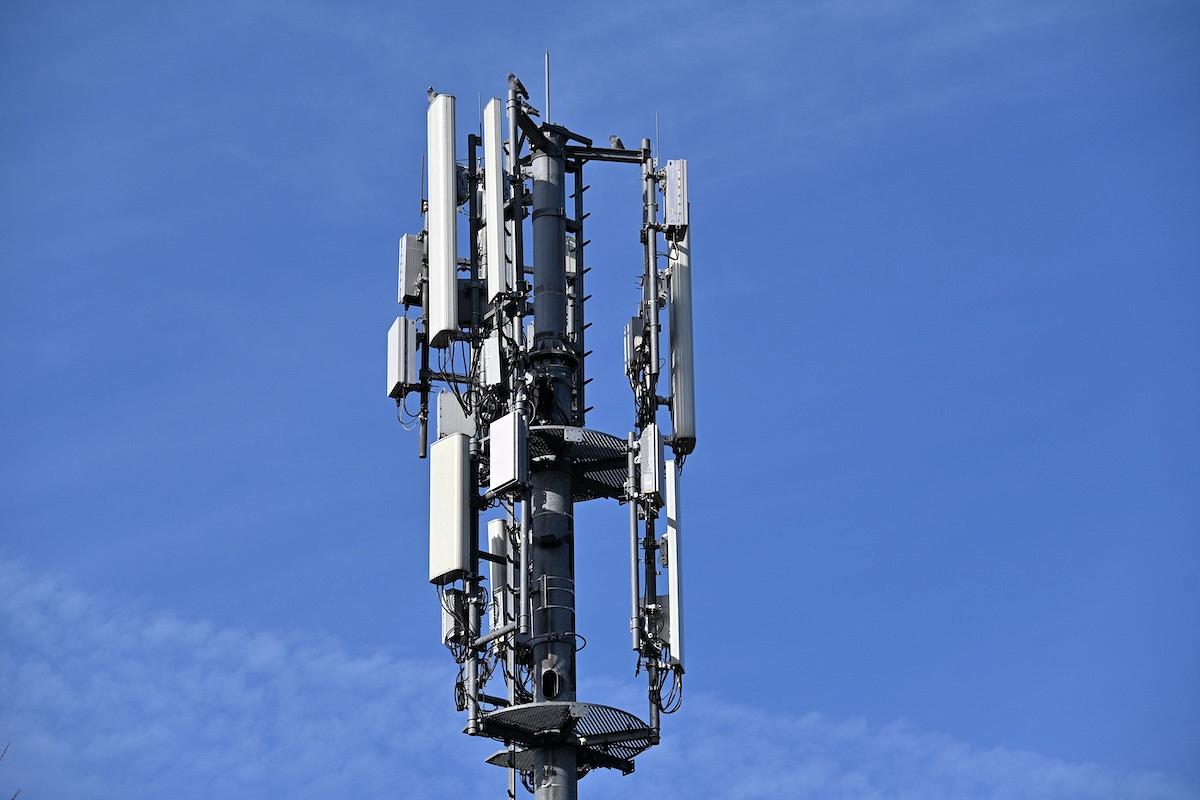
5G fixed wireless home internet is a type of broadband that reaches your home over a cellular network rather than through a cable or fiber line buried in the ground. A small receiver, sometimes called a gateway, sits inside or outside your home, picks up a 5G signal from a nearby cell site, and converts it into a Wi-Fi network you use like any other home connection. In short, it is home internet delivered by radio waves instead of a physical wire to your property.
It tends to be a good fit when wired options are limited, when you want a connection that installs quickly without a technician digging or drilling, or when a plan with predictable, flat pricing appeals to you. It is usually less suited to households that depend on the highest and most consistent speeds, very heavy simultaneous use, or low-latency activities where a wired line still has the edge.
This article explains how the technology works, how it compares with fiber and cable, what makes its performance vary, and the situations where it is worth serious consideration. Availability and the exact plans on offer change over time and depend on where you live, so you should confirm current options and serviceability directly with the provider or network operator for your address.
How does 5G fixed wireless home internet work?
Fixed wireless internet sends data between a fixed antenna at your home and a transmitter on a cell tower or other elevated site. The "fixed" part distinguishes it from the mobile data on your phone: the receiver stays in one place, which lets it be tuned for a stronger, steadier connection than a device moving around town. The "5G" part refers to the fifth generation of cellular network technology, which can carry more data at higher speeds than older generations like 4G LTE.
When you sign up, you typically receive a gateway device. Some plug in near a window indoors, while others are mounted outside for a clearer line to the tower. The gateway communicates with the network, and you connect your laptops, phones, and smart devices to the Wi-Fi it broadcasts. Because there is no new wire to run to your home, setup is often a matter of plugging in the gateway and positioning it for the best signal, rather than scheduling an installation crew.
The capacity available to you is shared among the homes and devices using the same cell site. This is an important difference from a dedicated wired line, and it helps explain why fixed wireless performance can vary by location and by time of day. When many people in an area are online at once, the network has to divide its capacity among them.
How is it different from fiber, cable, and satellite?
It helps to place fixed wireless alongside the other common ways homes get online. Each connection type uses different infrastructure, and that shapes its strengths and weaknesses.
Fiber internet, often delivered as fiber to the premises (FTTP), runs an optical glass line all the way to your home and generally offers the most consistent speeds, including fast uploads. Cable internet uses the same coaxial lines that carry cable television and is widely available in built-up areas, with strong download speeds but typically slower uploads. Digital subscriber line (DSL) runs over older telephone wiring and is gradually being retired in many places. Satellite internet beams data from orbit and can reach very remote spots, but it has historically faced higher latency, the short delay before data starts moving.
Fixed wireless sits between these options. It can be quicker to deploy than fiber or cable because it needs no new wire to your property, and it can reach areas where wired build-out is thin. Its performance, however, depends on radio conditions rather than a sealed physical line, so it can fluctuate more than fiber or cable.
| Connection type | How it reaches you | General strengths | Things to weigh |
|---|---|---|---|
| Fiber | Optical line to the home | Consistent speeds, fast uploads, low latency | Availability is still expanding |
| Cable | Coaxial TV lines | Widely available, strong downloads | Uploads usually slower than downloads |
| 5G fixed wireless | Cellular signal to a home receiver | Quick setup, no new wiring, reaches some underserved areas | Performance varies with signal and congestion |
| Satellite | Signal from orbit | Reaches very remote locations | Latency and conditions can affect use |
The table is a general comparison, not a ranking. The right choice depends on what is actually available at your address and how your household uses the internet, so treat it as a starting point rather than a verdict.
What affects 5G fixed wireless performance?
Several factors influence how well a fixed wireless connection works at a given home, and understanding them helps set realistic expectations. The most important is your distance from the cell site and whether anything blocks the signal. Hills, dense trees, and buildings between your receiver and the tower can weaken the connection, while a clear line of sight tends to help.
Network congestion also matters. Because capacity is shared, speeds can dip during busy evening hours when many nearby homes are streaming, gaming, or working online at the same time. The specific frequency bands a provider uses play a role too: some bands carry more data over shorter distances, while others travel farther but carry less. Weather can have a modest effect on certain bands as well.
Finally, the placement of your gateway inside the home affects the Wi-Fi you actually experience. A receiver near a window facing the tower, away from thick walls and interference, usually performs better than one tucked into a closet. Many providers let you check signal strength during setup so you can find a good spot.
When is 5G fixed wireless a good fit?
Fixed wireless tends to suit particular situations well. It is worth considering in the following cases:
- You live where fiber or cable is limited, and fixed wireless offers a faster or more flexible option than what is otherwise available.
- You want a connection that installs quickly and without a technician running new lines to your property.
- You value simple, predictable pricing structures and plans that are often contract-light, though terms vary by provider.
- Your household has light to moderate needs, such as browsing, streaming, video calls, and everyday work, rather than constant heavy simultaneous use.
- You rent or move often and prefer equipment you can unplug and take with you, where the provider allows it.
It is generally a weaker fit if you need the steadiest possible speeds for competitive online gaming, large and frequent uploads, or a home where many people push the connection hard at the same time. In those cases a wired option like fiber, where available, usually delivers more consistency. Because real-world performance depends so heavily on your specific location, the most reliable way to judge fit is to confirm expected performance and serviceability with the provider for your exact address.
How should you think about cost and plans?
Pricing structures for fixed wireless are often straightforward, and many plans bundle the gateway and avoid separate equipment rental, though this varies. Rather than focusing on any single figure, it helps to think in relative terms: fixed wireless is frequently positioned as a competitively priced alternative to wired plans of similar advertised speed, but the value depends on the performance you actually receive at home.
Speed tiers and plan names change over time, so treat any current lineup as a snapshot rather than a permanent fact. When comparing, look beyond the headline download number to the upload speed, any data policies, the latency you can expect, and whether the provider offers a trial period so you can test real performance before committing. Always confirm the latest available plans and terms with the provider directly.
Frequently asked questions
Is 5G fixed wireless the same as the 5G on my phone?
They use the same underlying cellular technology, but the experience is different. Your phone connects to whatever signal it can find as you move around, while fixed wireless uses a stationary receiver tuned for a steady connection at one address. That fixed setup, sometimes with an outdoor antenna, is designed to support a whole household rather than a single device on the move.
Does 5G fixed wireless have data caps?
It depends on the provider and plan. Some offer unlimited data for home use, while others apply data policies or prioritize traffic during congestion. Because these terms change, review the current data policy for any plan you are considering and confirm the details with the provider before deciding.
Will weather affect my connection?
Weather can have a modest effect on some frequency bands, but a well-placed receiver with a solid signal is usually resilient to ordinary conditions. Persistent problems are more often linked to distance from the tower, obstructions, or congestion than to weather alone.
Can I use my own router with fixed wireless?
Many fixed wireless services use a provided gateway that combines the receiver and Wi-Fi, and options to add your own equipment vary. If using your own router matters to you, check what the provider supports before signing up.
How do I find out if it is available at my home?
Availability depends on cell site coverage and capacity in your area, and it can differ even between nearby homes. The dependable way to check is to confirm serviceability and expected performance with the provider or network operator for your specific address.
Conclusion
5G fixed wireless home internet brings broadband to your home over a cellular network, trading the physical wire of fiber or cable for a receiver that talks to a nearby tower. That design makes it quick to set up and able to serve areas where wired options are thin, while its reliance on shared radio capacity means performance can vary with distance, obstructions, and congestion. It tends to fit households with light to moderate needs, renters and movers, and places where wired choices are limited, and it is less suited to the heaviest or most latency-sensitive use. Because everything hinges on your exact location, confirm current plans, speeds, and serviceability with the provider before deciding whether it is the right connection for you.